Pomelo: A Vitamin Powerhouse
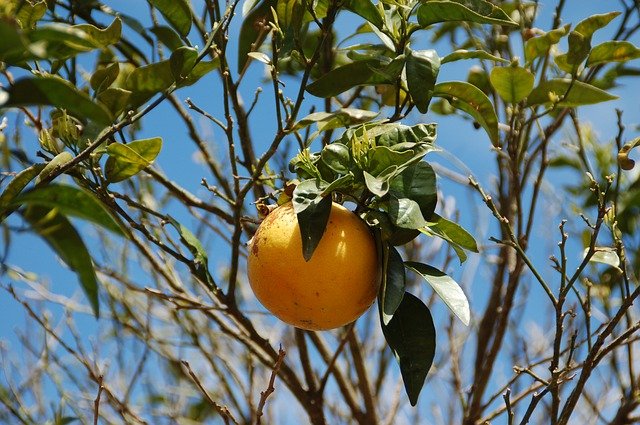
a bomb Pomelo originates from Southeast Asia. Its exact place of origin could be the region of Malaysia, Thailand, and Indonesia, where pomelo is cultivated and also grows wild. Pomelo is also known as shaddock, which comes from the English word “shaddock.” This name is attributed to the pomelo after the English captain Shaddock, who brought pomelo seeds from the Malay Archipelago to Barbados in the 17th century. It is a citrus tree that grows up to fifteen meters tall. The pomelo tree’s flowers are white, but they can sometimes be yellowish. The fruit is a citrus, and it is the largest citrus in the world. A large pomelo can reach up to fifty centimeters in diameter. The pomelo is a rich source of active compounds. The most important of these
are:
· vitamin C·
fiber· potassium
· iron Pomelo fruit
is commonly consumed here, but medicinal properties are also attributed to the flowers, seeds, and even the peel. In Chinese medicine, there are many medicinal preparations made from the seeds, flowers, and peel of the pomelo, as well as from the pomelo itself, sliced and dried. These medicinal preparations are used to treat coughs and swelling, and to aid digestion. They also help with hangovers and alcohol intoxication.

What are the medicinal effects of pomelo?
· Lowers high cholesterol levels.
· Helps prevent heart disease.
· Has a positive effect on anemia.
· It aids in iron absorption.
· It is an antioxidant.
· It neutralizes free radicals.
· It improves digestion.
· It helps prevent colds and the flu.
· It clears congested airways.
· It supports weight loss efforts.
· It can also help with hangovers.
Using pomelo in the kitchen
Pomelo is best eaten raw and fresh. Its taste is most similar to that of grapefruit. It is recommended to make pomelo juice or even marmalade from it. However, it can also be used in the preparation of various fruit salads.